PPP FRAMEWORK
Building Nigeria's Infrastructure through Public–Private Partnerships
Nigeria’s PPP Framework provides a transparent, structured and investor-friendly process for planning, procuring, implementing and monitoring infrastructure concessions that deliver long-term public value.
WHAT IS A PPP?
Understanding Public–Private Partnerships
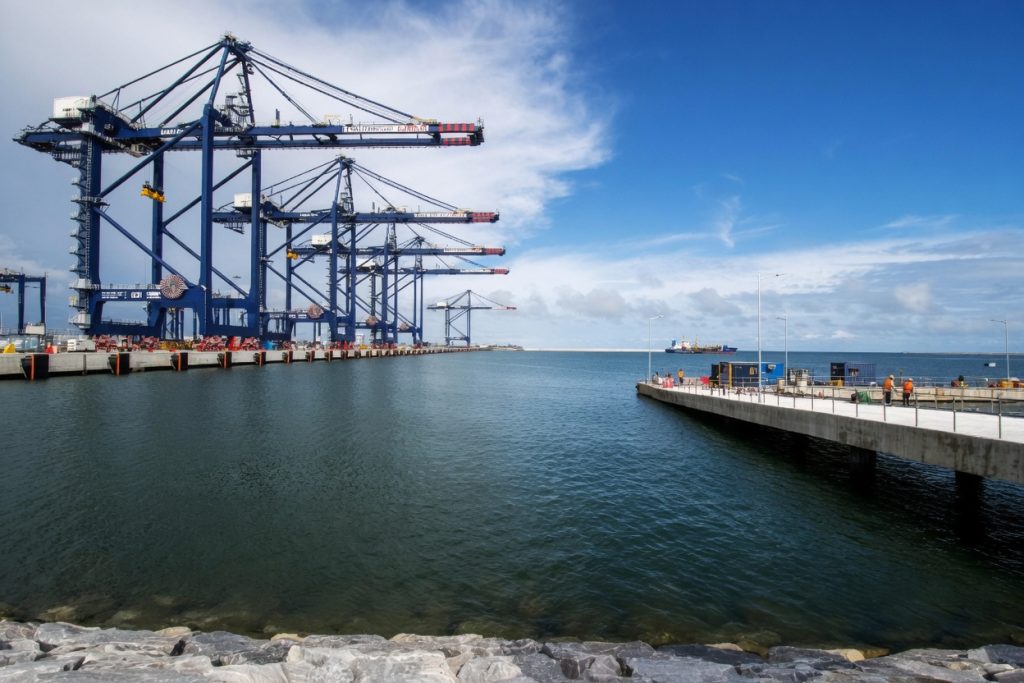
A Public-Private Partnership is a contractual arrangement between a Public Entity (Federal, State, or Local) and a private sector entity for the delivery of an infrastructure project or service. These entities (Public and Private) share risks, rewards and losses in delivering the infrastructure/services for public use.
LEGAL FRAMEWORK
Legal & Regulatory Framework
The instruments that govern every federal PPP — from statute to circular.
ICRC Act 2005
2005
The founding legislation establishing the Commission and its regulatory powers over federal concessions.
Download PDFNational Policy on PPP
2013
Nigeria's comprehensive national policy guiding PPP strategy and implementation.
Download PDFPPP Regulations 2014
2014
Detailed regulations implementing the ICRC Act's provisions on concession management.
Download PDFPPP Agreement Model Guide
2026
Guide For public procurement processes that intersect with PPP tendering and awards.
Download PDFCirculars
Various
Periodic directives issued by the Federal Executive Council affecting PPP procedure.
Download PDFICRC Guidelines & Toolkits
Ongoing
Practical toolkits and guidance notes published by ICRC to support PPP practitioners.
View GuidelinesRisk sharing
Public and private partners share risks according to who can best manage them.
Private Investment
Unlocks long-term private capital for national infrastructure.
Long-Term Value
Delivers assets built to serve citizens for decades.
Efficient Service Delivery
Combines public accountability with private-sector performance.
PRINCIPLES
Core Principles of Nigeria's PPP Framework
Six enduring principles guide every concession the Commission regulates.
Transparency
Every stage of a PPP is publicly disclosed — from origination through operations — building citizen and investor trust.
Competition
Open, competitive procurement ensures the best partner delivers the best value for the Nigerian public.
Value for Money
Every concession is tested to prove it delivers superior outcomes compared with traditional public procurement.
Accountability
Clear roles, contracts and monitoring mechanisms hold every party to their commitments.
Sustainability
Projects are structured for long-term environmental, social and financial resilience.
Risk Allocation
Risks are transferred to the party best able to manage them, protecting public interest and project viability.
PPP FRAMEWORK
How Public-Private Partnerships Work
1
Identification
Read More2
Development
Read More3
Procurement
Read More4
Implementation
Read MorePROJECT IDENTIFICATION AND PRIORITISATION PHASE
- MDA identifies and prioritises potential infrastructure projects for PPPs.
- MDA develops a Concept Note outlining project objectives and scope for submission to the ICRC for evaluation.
- The ICRC reviews the Concept Note and makes recommendations on how to proceed.
- PPP Unit initiates the project development phase.
PROJECT DEVELOPMENT PHASE
- The MDA may procure a Transaction Adviser/Consultant to support the process, where the MDA lacks in-house capacity, and the ICRC may render support where necessary.
- An Outline Business Case (OBC) is prepared and submitted to the ICRC for review.
- Following review, the ICRC issues an OBC Certificate of Compliance or advises the MDA accordingly.
PROJECT PROCUREMENT PHASE
- Procurement documents (Request for Qualifications, RFQ; Request for Proposals, RFP; Project Information Memorandum (PIM), Draft PPP Agreement etc.) are developed.
- The MDA commences the competitive procurement process to select a Preferred Proponent as guided and recommended by the ICRC.
- The ICRC leads and coordinates a due diligence exercise on the preferred bidder and partner(s) to validate their financial, technical capability, and the operationalisation of the submitted proposal.
- Negotiation is undertaken to finalise project details and contractual terms. The ICRC will facilitate and coordinate project negotiations to ensure that contractual provisions are equitable, implementable, and aligned with timely project execution.
- The preferred bidder incorporates a Special Purpose Vehicle (SPV) with the sole aim of implementing the project.
- Full Business Case (FBC) is developed and submitted along with the negotiated PPP Agreement to the ICRC for review.
- The ICRC reviews the FBC and issues a Certificate of Compliance or advises the MDA accordingly.
- MDA's Project Approval Board (PAB) or Federal Executive Council (FEC), as applicable, approves the project.
- The negotiated draft PPP Agreement is transmitted to the Federal Ministry of Justice for vetting within 30 days of receipt of the FEC or PAB extract.
- The vetted PPP Agreement is signed between the MDA and the SPV.
PPP IMPLEMENTATION PHASE
- The MDA shall transmit one original copy of the signed Agreement to the ICRC pursuant to Section 20(a) of the ICRC (Est. Etc.) Act, 2005.
- The ICRC shall take custody of the signed PPP Agreement and monitor the fulfilment of Conditions Precedent (CPs), prior to the Effective Date of the Agreement.
- ICRC shall ensure compliance and efficient execution of the terms and conditions of the PPP Agreement in line with Section 20(a) of the ICRC (Est. Etc.) Act, 2005.
ROLES & RESPONSIBILITY
Who Does What?
Every PPP depends on clear responsibilities across six groups of actors.
Federal Government
Sets national infrastructure priorities and enabling policy.
- Approves national PPP policy and legislation
- Provides sovereign support where warranted
- Champions strategic infrastructure programmes
ICRC
Regulates the entire PPP lifecycle across the federation.
- Issues Certificates of Compliance
- Publishes guidelines, templates and standards
- Monitors disclosure, procurement and contract performance
MDAs
Originate, procure and manage projects in their sectors.
- Identify infrastructure needs aligned with national plans
- Deliver feasibility studies and business cases
- Manage concessions across the project lifecycle
Private Sector
Designs, finances, builds and operates concession assets.
- Mobilises capital, technology and expertise
- Delivers assets to defined performance standards
- Operates and maintains the concession for its full term
Lenders
Provide long-term debt to bankable PPP projects.
- Conduct rigorous due diligence on projects
- Structure syndicated project finance facilities
- Monitor covenants throughout the concession period
Citizens
Are the ultimate beneficiaries and monitors of PPPs.
- Access transparent project disclosure
- Provide feedback on service quality
- Hold institutions accountable through civic oversight

Investor Benefits
Why Invest through Nigeria's PPP Framework?
Government Support
Sovereign-backed frameworks and dedicated MDA partners.
Transparent Procurement
Every bid evaluated against publicly disclosed criteria.
Long-Term Returns
Concessions structured for 15–30 year cash-flow horizons.
Growing Economy
Africa's largest market and a rapidly urbanising population.
Strong Legal Framework
Codified through the ICRC Act, Regulations and Guidelines.
National Priority Projects
Direct alignment with the federal infrastructure agenda.
JOIN THE JOURNEY
Partner With Us For Nigeria's Infrastructure Future
Whether you’re an investor, developer, ministry or citizen, discover how ICRC is creating a transparent infrastructure ecosystem.